Reconstruir con dignidad: cómo la comunidad judía levantó 150 hogares después del sismo
Del refugio en Hebraica a la llave en la mano: la ayuda que llegó desde cinco países, la Mesa de la Confianza y las familias que volvieron a abrir la puerta de su casa.
Rebuilding with dignity: how the Jewish community restored 150 homes after the earthquake
From the shelter at Hebraica to the keys in hand: the help that came from five countries, the Table of Trust and the families who opened the door to their home again.
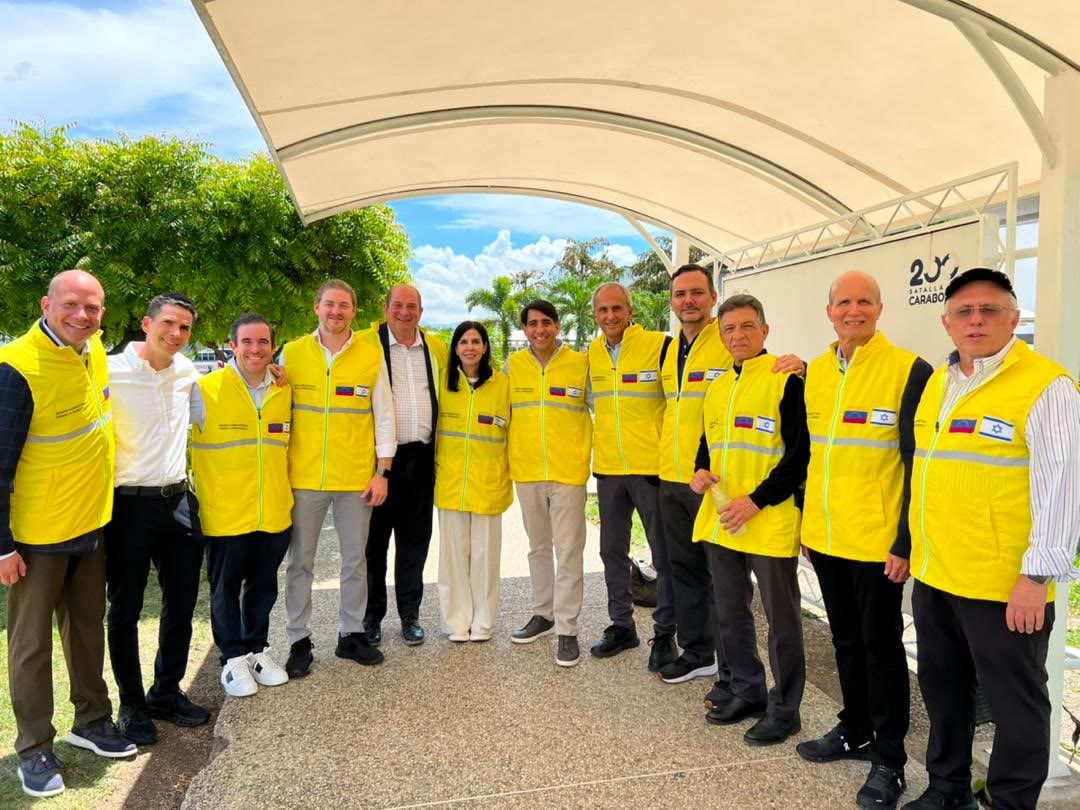
Voluntarios del Vaad. Foto: Vaad Hakehilot
Vaad volunteers. Photo: Vaad Hakehilot
Cuando la tierra tembló en La Guaira y en Caracas, la comunidad judía venezolana no esperó instrucciones. Reaccionó como lo que es: una familia. En cuestión de horas, Hebraica abrió sus puertas y se convirtió en refugio, y lo que empezó como una respuesta de emergencia terminó convertido en un plan para reconstruir, casa por casa.
Este reportaje reúne lo que pasó en esos meses: quién llegó, cómo se organizó la ayuda y cómo, casa por casa, las familias volvieron a abrir su puerta.
La grieta
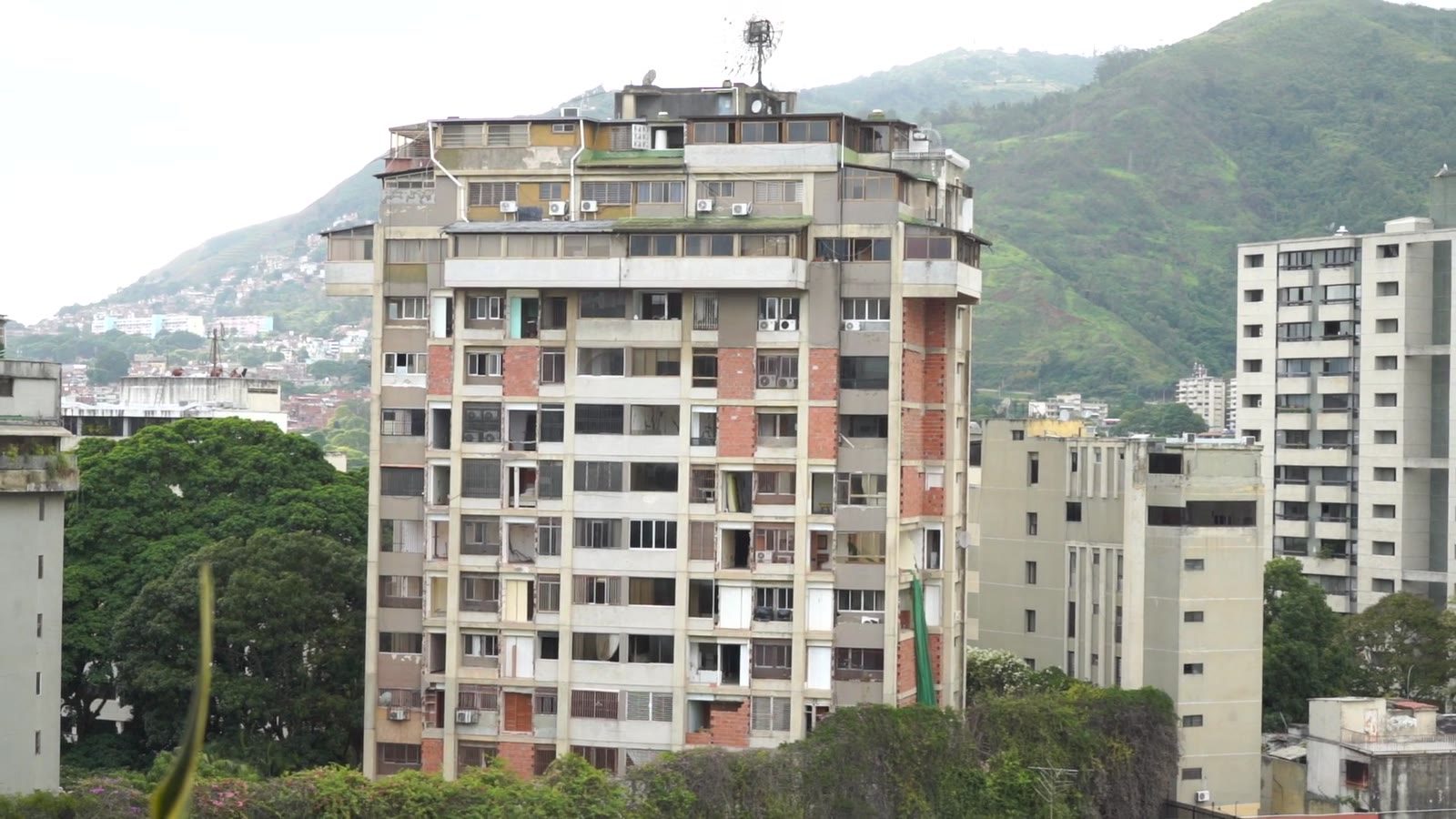
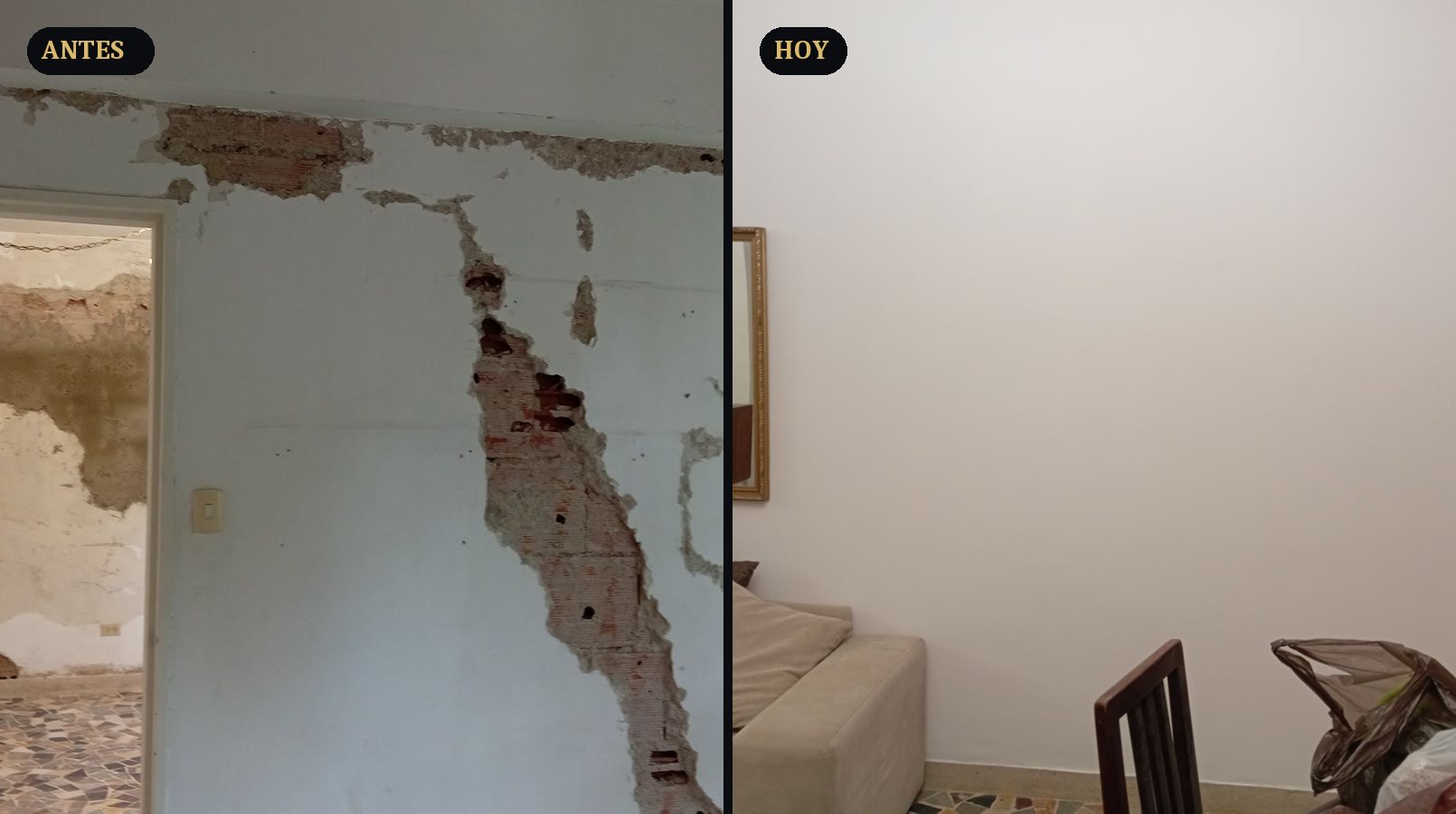
El sismo dejó edificios dañados en La Guaira y en Caracas, y apartamentos con paredes partidas de arriba abajo. Muchas familias no podían volver a dormir en su casa.
Nadie se quedó solo
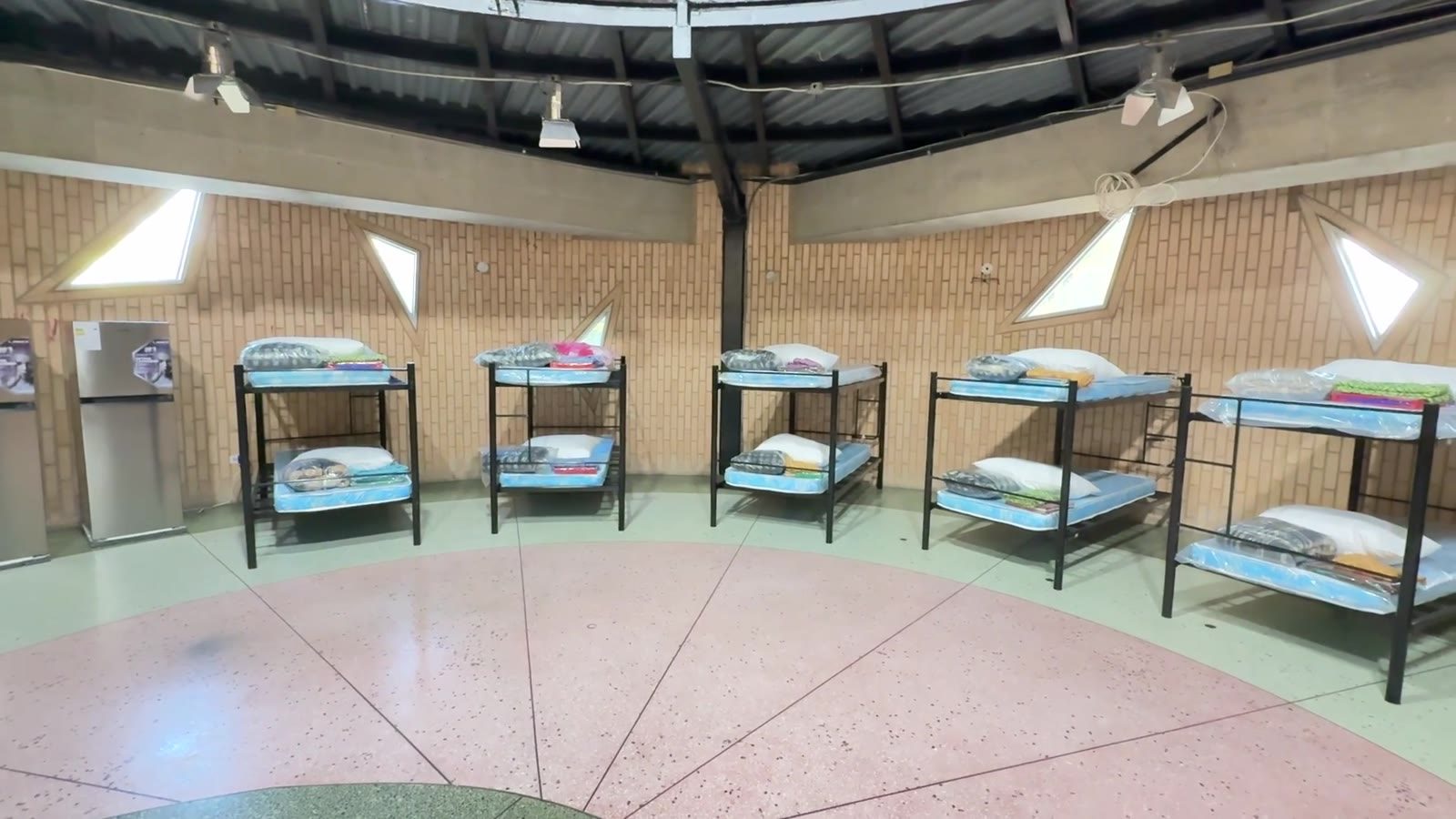
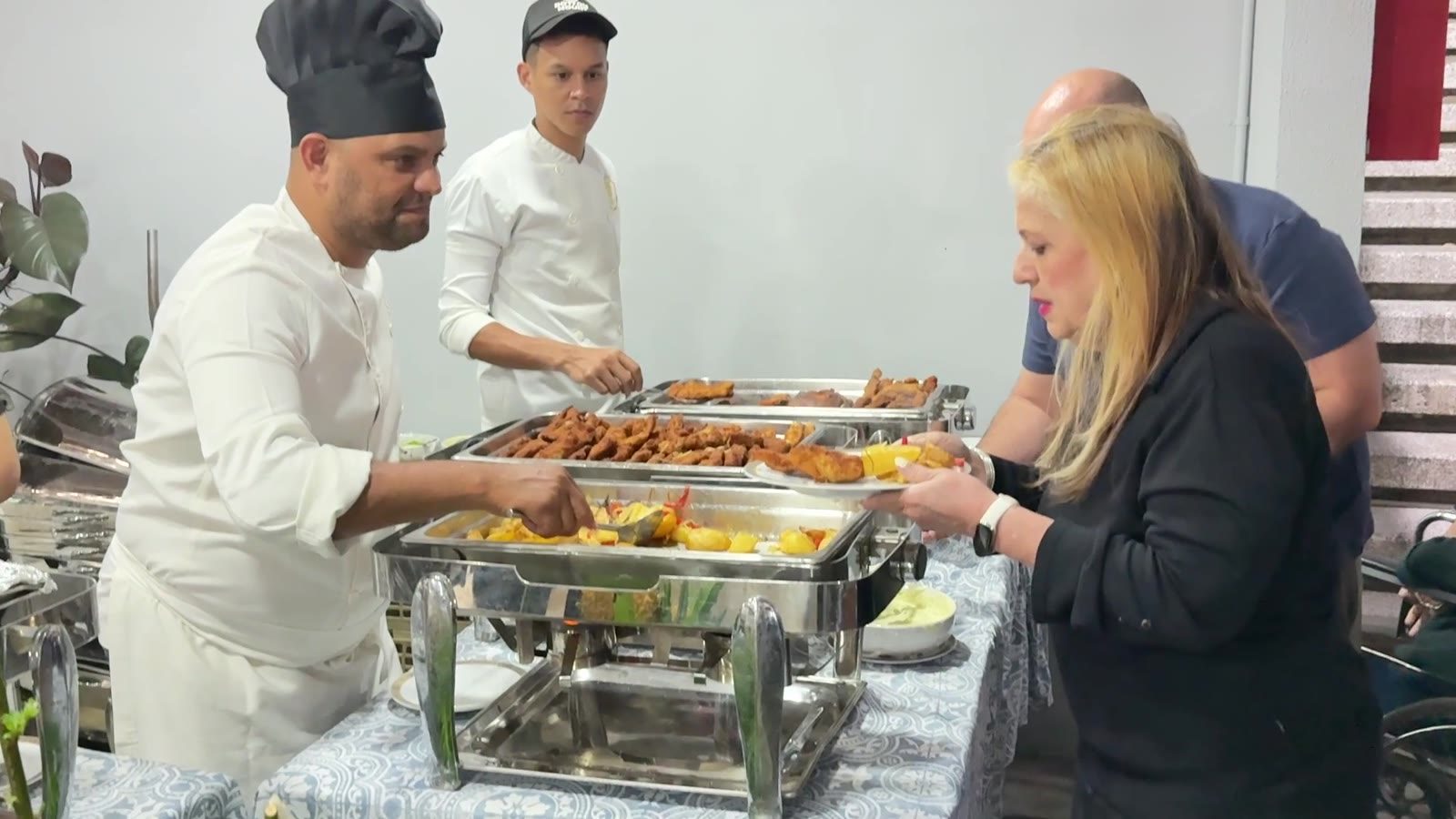
Hebraica se transformó en un hogar temporal: literas en los salones y comida caliente. Familias completas pasaron días y noches bajo su techo.
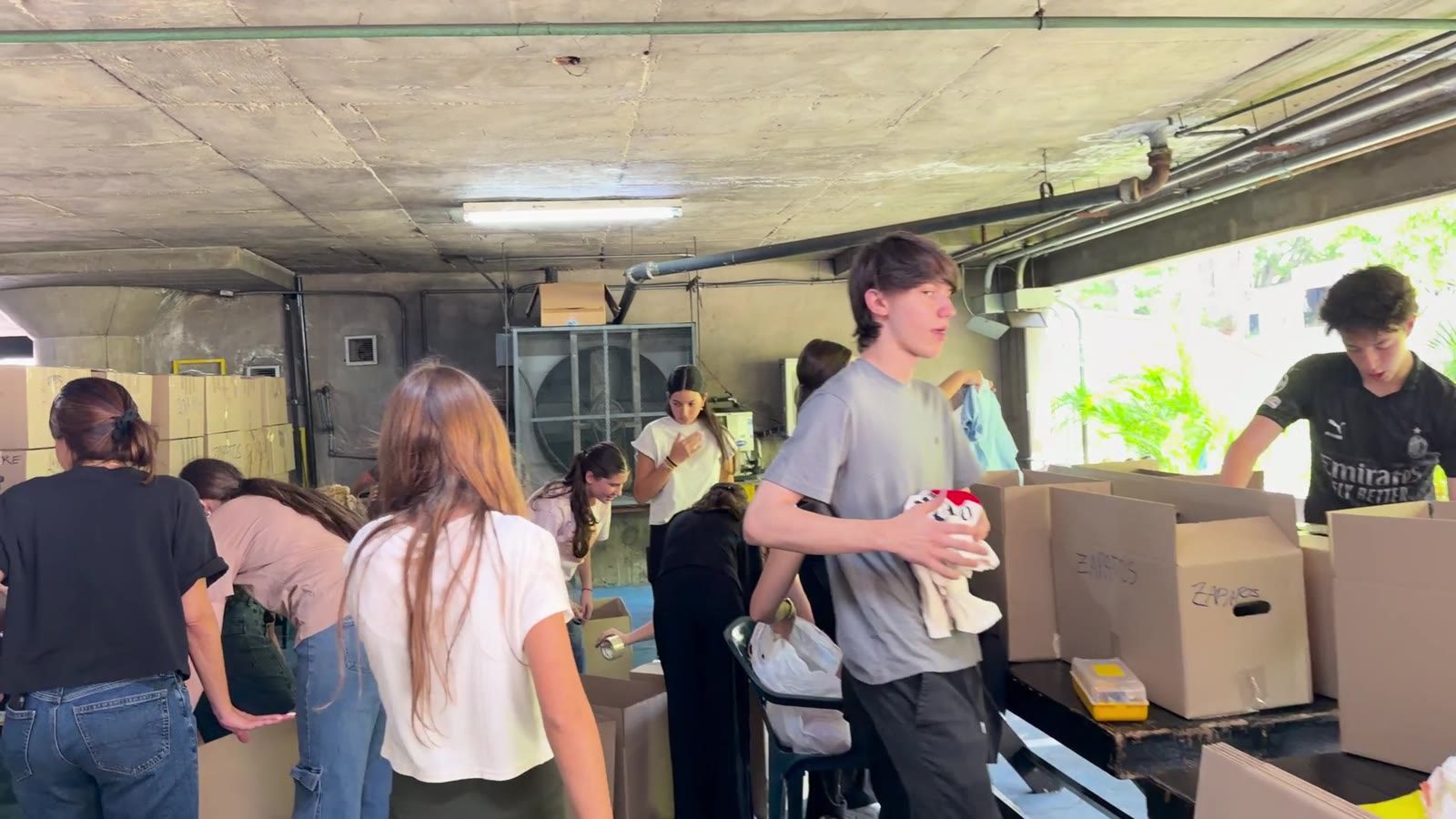
En paralelo nació un centro de acopio. Cientos de voluntarios recibieron, clasificaron y repartieron la ayuda, caja por caja. No hubo burocracia. No hubo listas de espera. Las puertas se abrieron, y punto.
Kol Israel arevim ze la ze. Todo judío es garante el uno del otro. En esos días, esas palabras se convirtieron en un programa de acción.
El mundo judío respondió
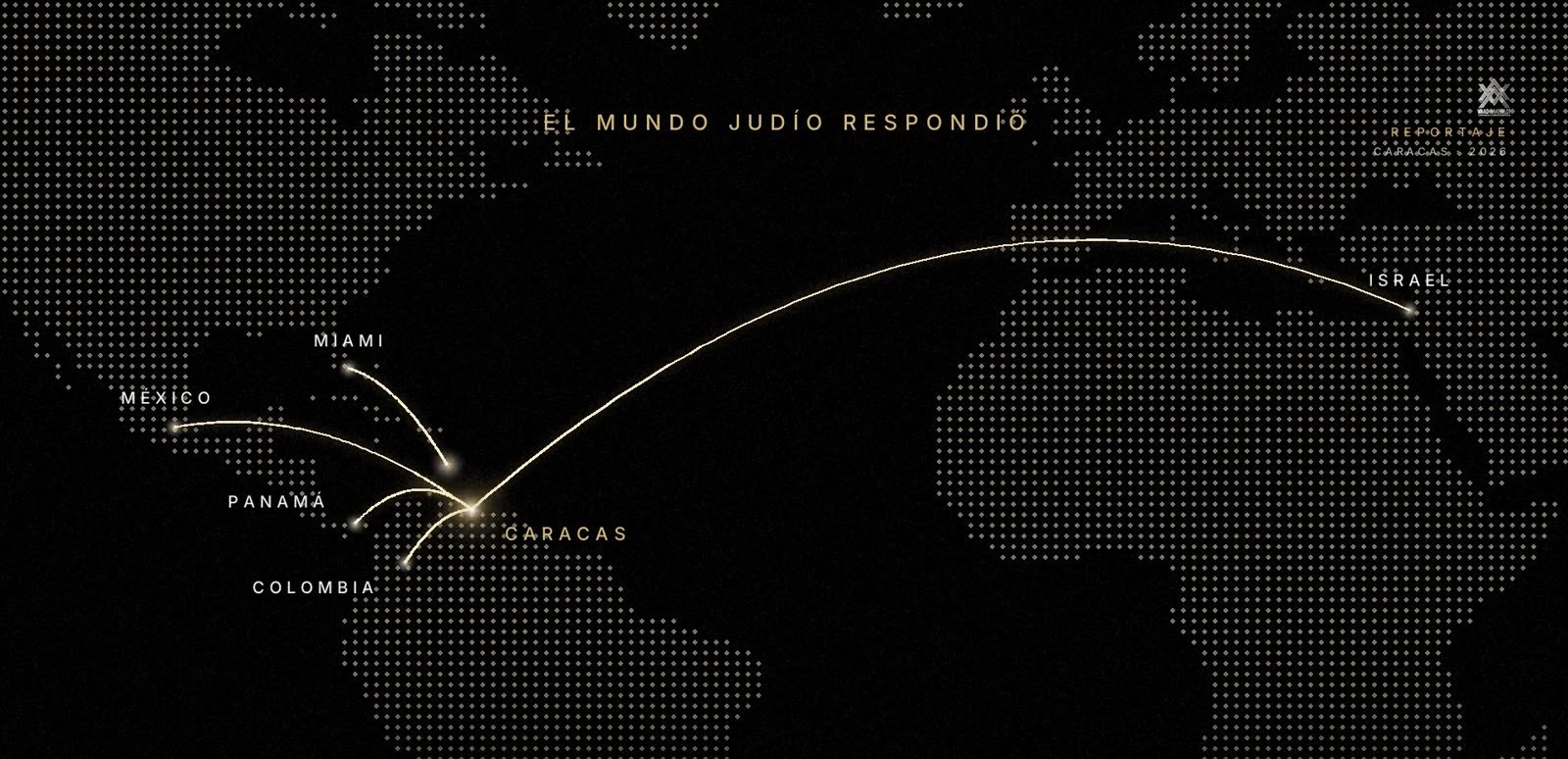
La ayuda llegó desde Israel, México, Colombia, Panamá y Miami. El Estado de Israel envió a Caracas una delegación de rescate.
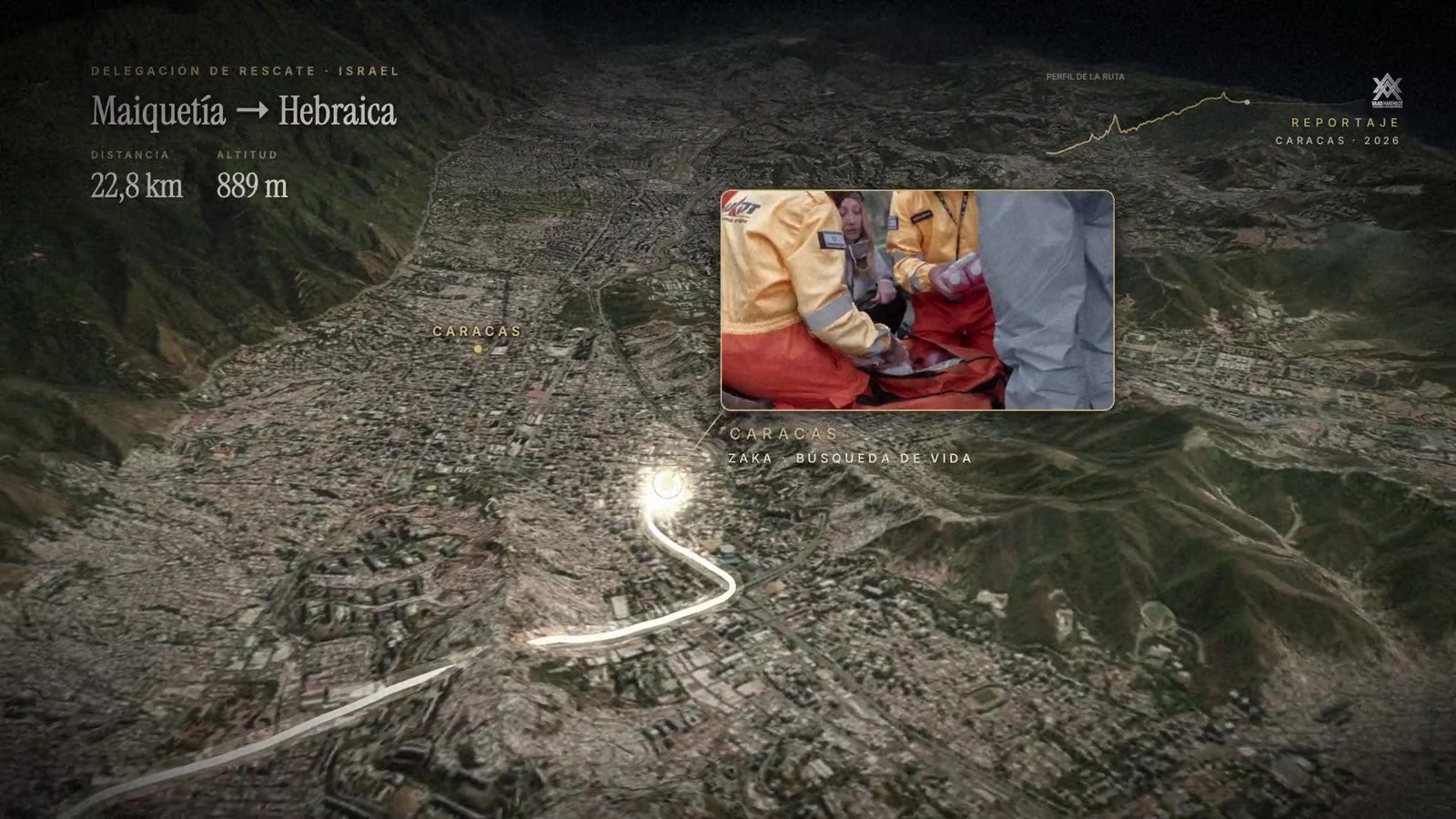
- ZAKA entró a los edificios dañados en busca de vida.
- Maguén evaluó estructuras y ayudó a rescatar sobrevivientes.
- IsraAID acompañó a los más vulnerables en los refugios.
- Cadena llegó desde México.
- Natán, desde Israel, con médicos, enfermeras y especialistas en salud mental.
- Y con ellos, JCC Global, el JDC y World Jewish Relief.
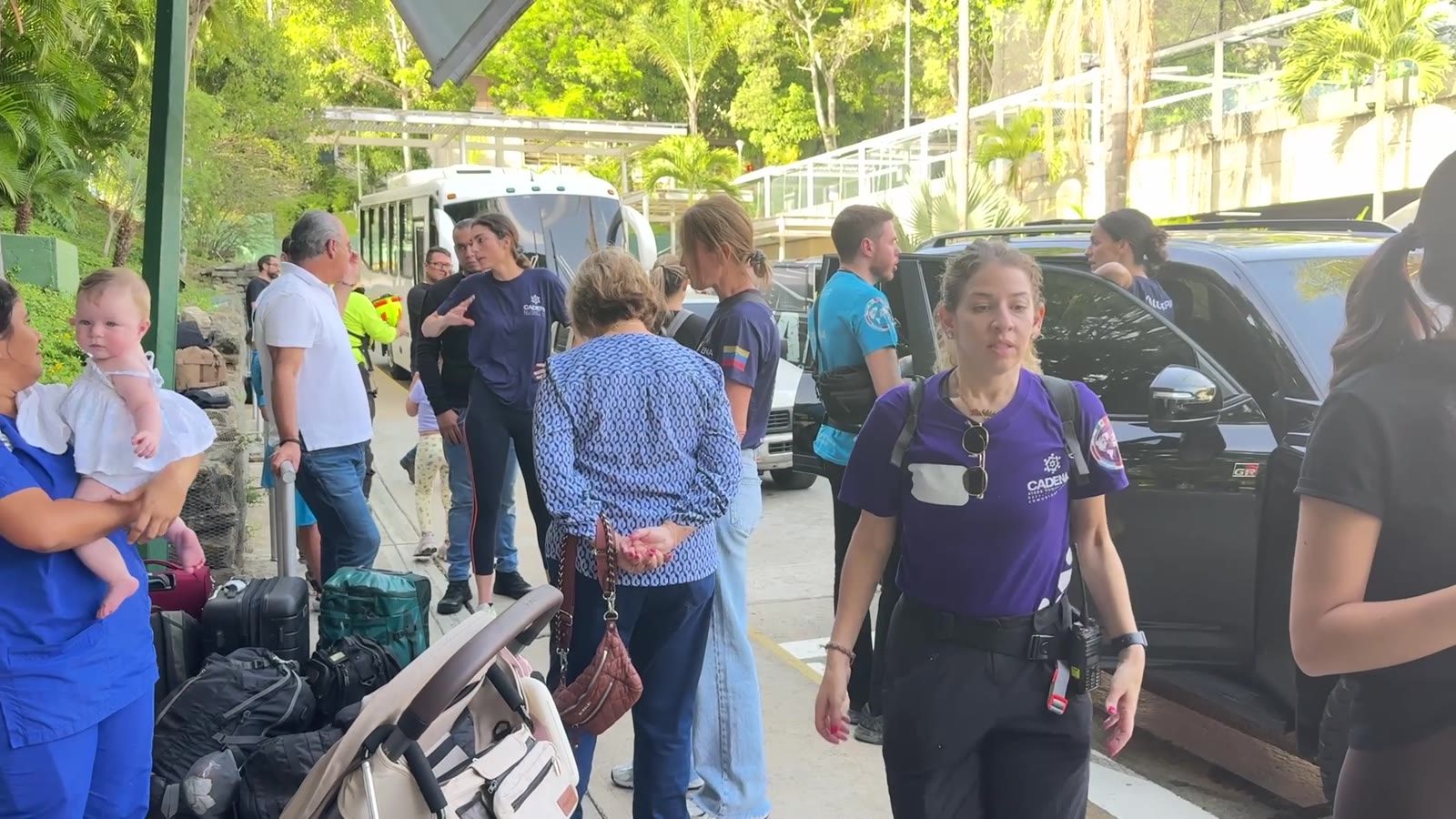
Y Venezuela los recibió con los brazos abiertos: con café, con gratitud, con esa calidez que este país guarda intacta, incluso en sus momentos más difíciles.
Después vino lo más difícil: reconstruir
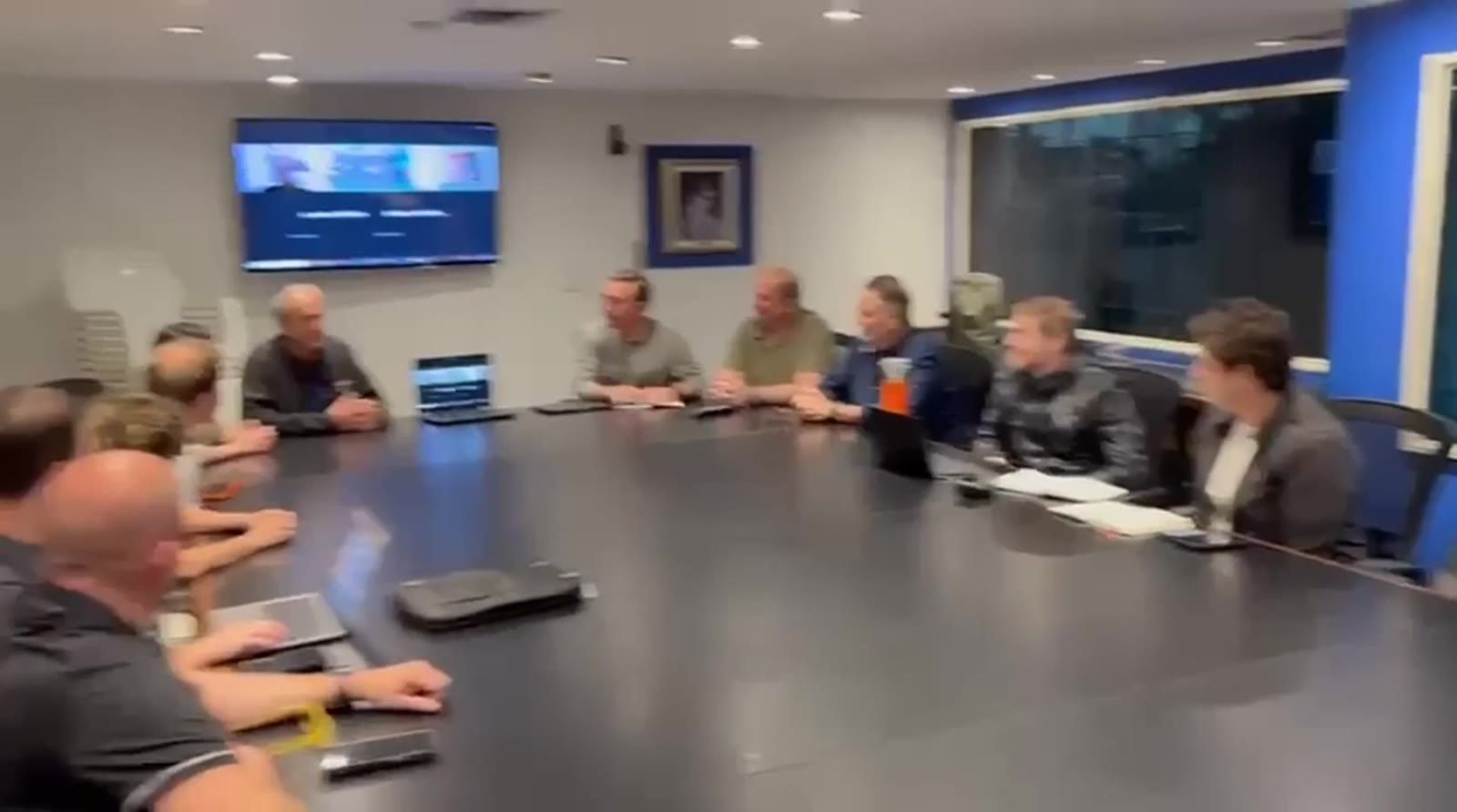
Así nació el Vaad Neemán, la Mesa de la Confianza: las instituciones de la comunidad, alrededor de una misma mesa.
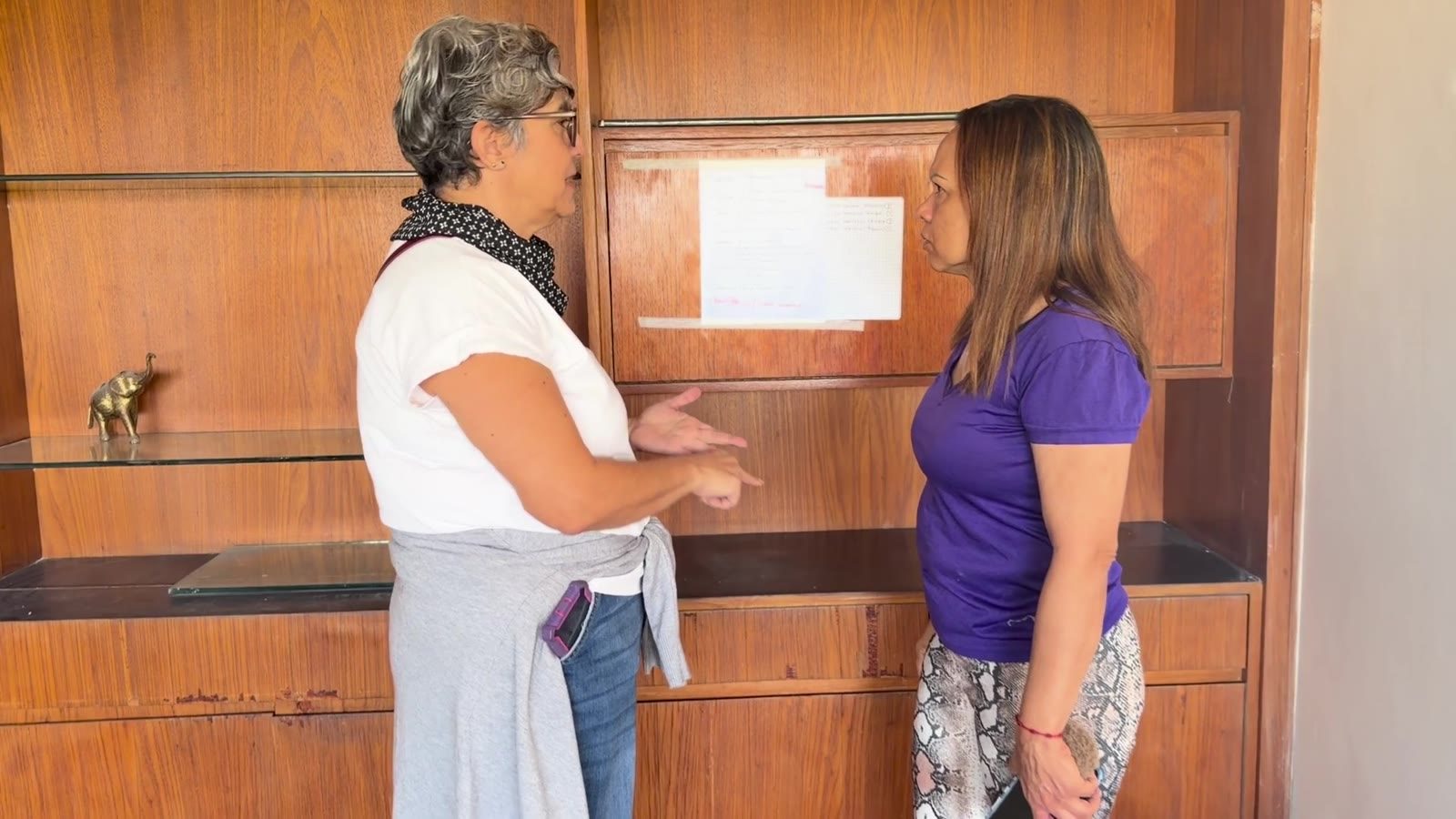
La comisión de Bienestar escuchó a cada familia. Veintiséis arquitectos e ingenieros voluntarios fueron vivienda por vivienda, subiendo escaleras sin ascensor.
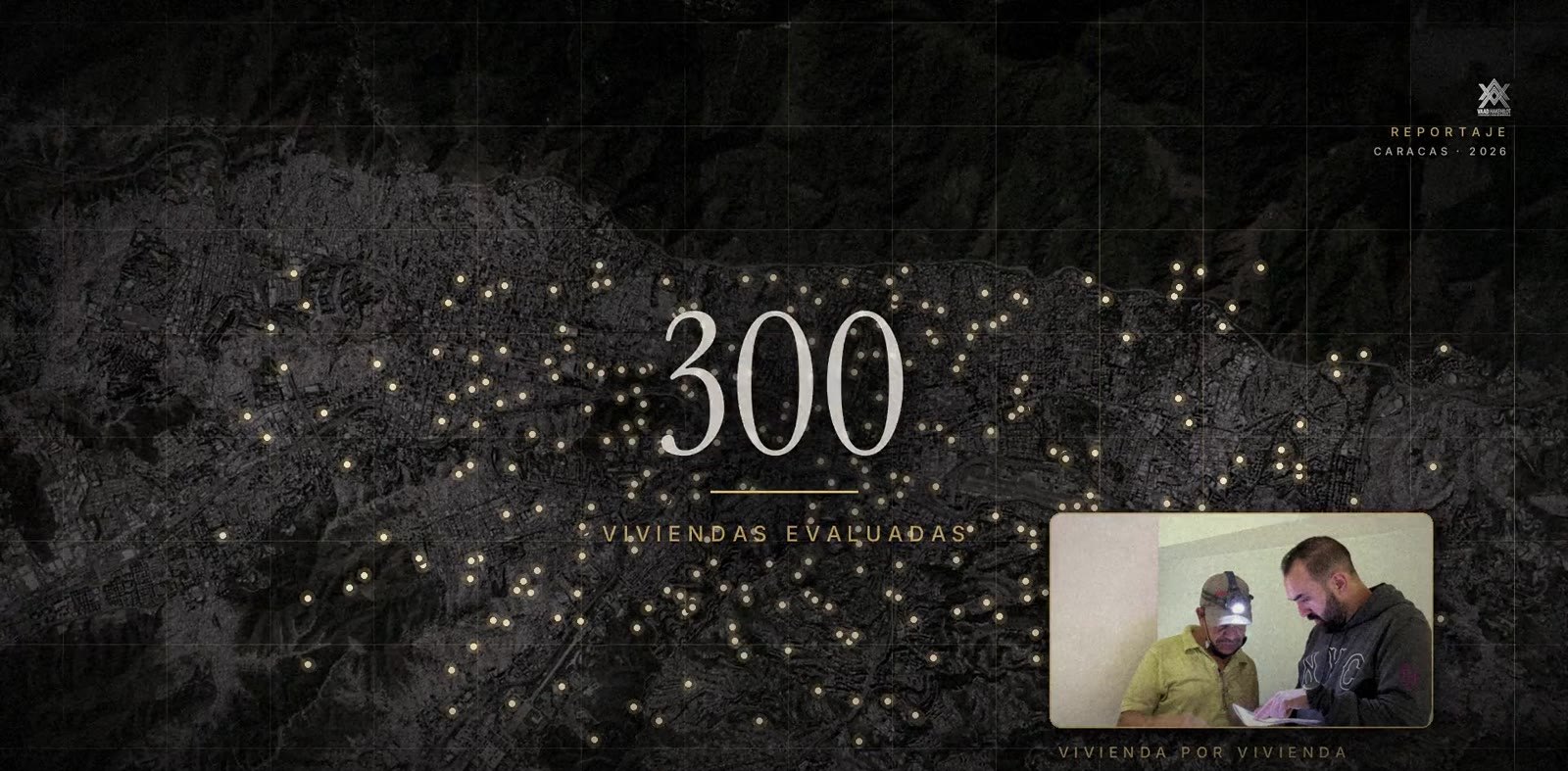
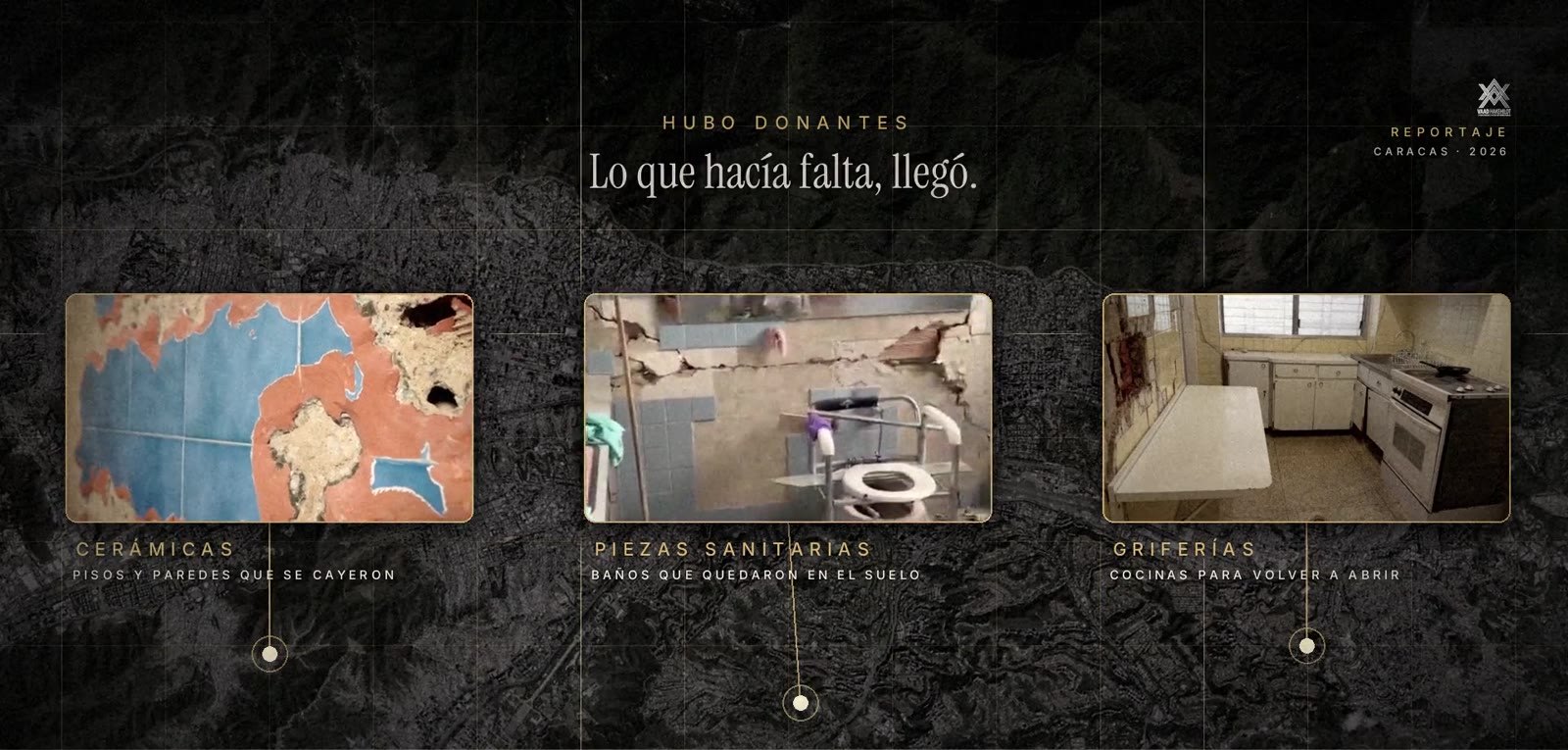
Hubo un momento con más de sesenta obras al mismo tiempo. Y hubo donantes de cerámicas, piezas sanitarias y griferías para cada vivienda que lo necesitaba.
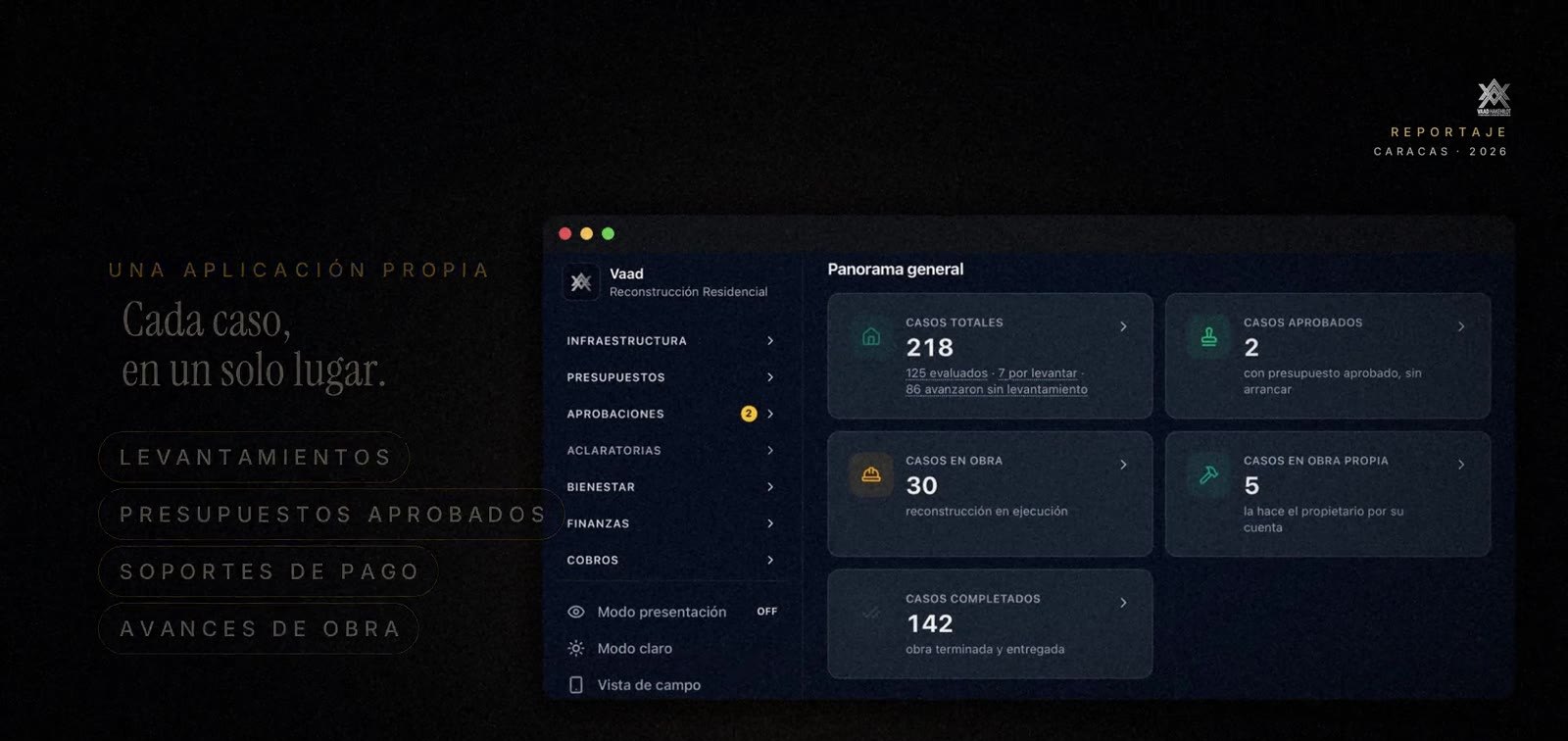
Una aplicación para no perder ningún caso
Para coordinar un esfuerzo de esta magnitud también fue necesario desarrollar una aplicación propia, que centraliza la información de cada caso: levantamientos, presupuestos aprobados, soportes de pago y avances de obra. Permite acompañar cada expediente desde la primera evaluación hasta la entrega final, con control y trazabilidad.
La comisión de Finanzas cuidó cada pago, con rigor y transparencia. Y la Comisión Lev vivió el momento más emotivo: entregar de nuevo cada hogar.
Ciento cincuenta hogares
Hoy son ciento cincuenta viviendas entregadas, y setenta más por entregar. Pero no son números. Son familias que vuelven a abrir la puerta de su casa.
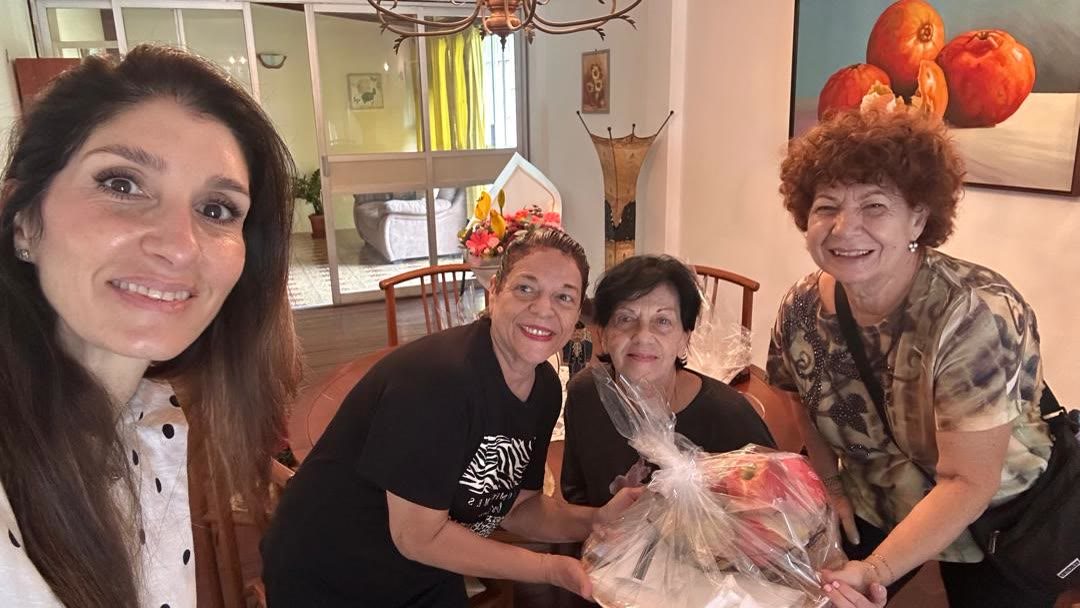
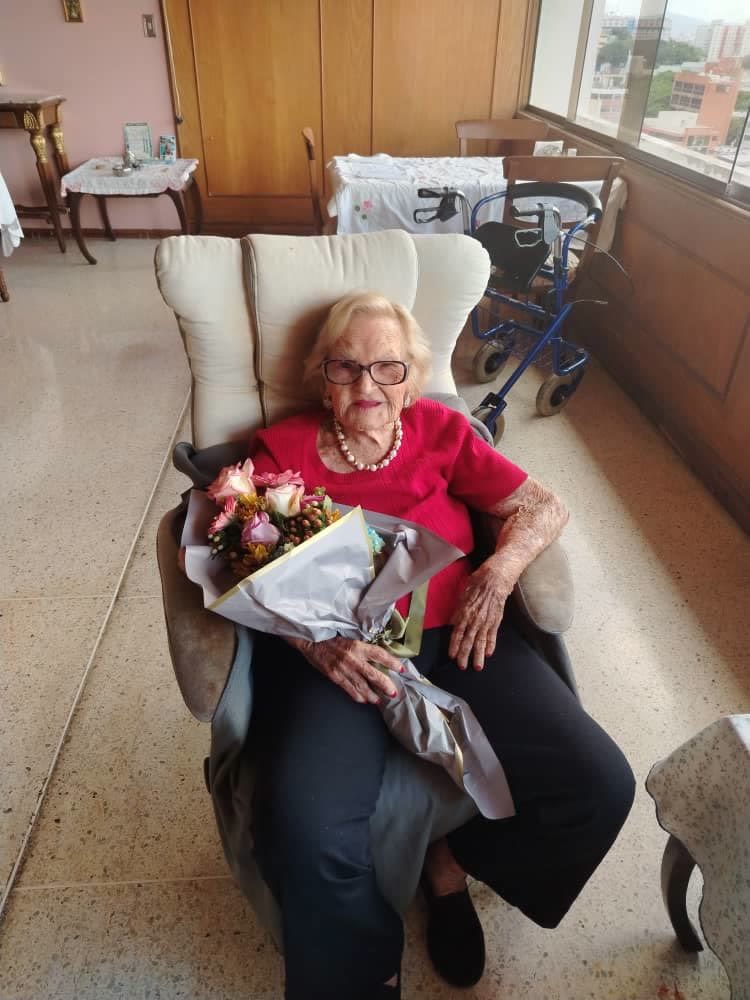
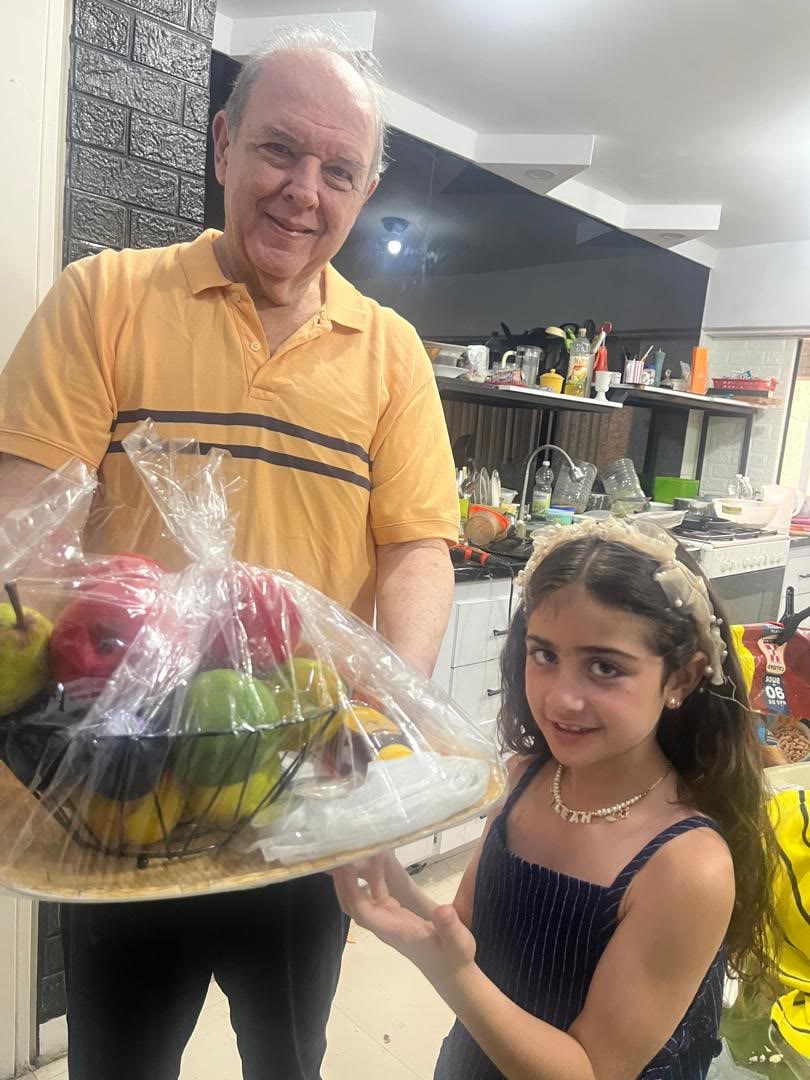
Porque un hogar es mucho más que sus paredes y su techo. Y detrás de cada puerta que volvió a abrirse estuvo una comunidad entera diciendo: Hinení. Aquí estamos.
Ver y compartir
El video completo de este reportaje está arriba, con el botón para descargarlo. Para compartirlo, basta con enviar este enlace: binian.news/vaad.
Vaad Hakehilot · Vaad Neemán
When the earth shook in La Guaira and Caracas, Venezuela's Jewish community did not wait for instructions. It reacted as what it is: a family. Within hours, Hebraica opened its doors and became a shelter, and what began as an emergency response grew into a plan to rebuild, home by home.
This feature brings together what happened over those months: who came, how the help was organized and how, home by home, families opened their front doors again.
The crack
The earthquake left damaged buildings in La Guaira and Caracas, and apartments with walls split from top to bottom. Many families could not sleep at home again.
No one was left alone
Hebraica became a temporary home: bunk beds in the halls and hot meals. Whole families spent days and nights under its roof.
At the same time, a collection center was born. Hundreds of volunteers received, sorted and handed out the aid, box by box. No red tape. No waiting lists. The doors opened, and that was that.
Kol Israel arevim ze la ze. All of Israel is responsible for one another. In those days, those words became a plan of action.
The Jewish world answered
Help arrived from Israel, Mexico, Colombia, Panama and Miami. The State of Israel sent a rescue delegation to Caracas.
- ZAKA went into the damaged buildings searching for life.
- Maguén assessed structures and helped rescue survivors.
- IsraAID stood by the most vulnerable in the shelters.
- Cadena came from Mexico.
- Natán came from Israel, with doctors, nurses and mental health specialists.
- And with them, JCC Global, the JDC and World Jewish Relief.
And Venezuela welcomed them with open arms: with coffee, with gratitude, with the warmth this country keeps intact, even in its hardest moments.
Then came the hardest part: rebuilding
That is how the Vaad Neemán, the Table of Trust, was born: the community's institutions, around one table.
The Welfare committee listened to every family. Twenty-six volunteer architects and engineers went home by home, climbing stairs in buildings without elevators.
At one point there were more than sixty construction sites at the same time. And there were donors of tiles, bathroom fixtures and faucets for every home that needed them.
An app so that no case gets lost
Coordinating an effort of this size also required building its own app, which brings together the information on every case: surveys, approved budgets, proof of payment and construction progress. It follows each file from the first assessment to the final handover, with control and traceability.
The Finance committee looked after every payment, with rigor and transparency. And the Lev Committee lived the most moving moment: handing each home back.
One hundred and fifty homes
Today there are one hundred and fifty homes handed over, and seventy more to go. But these are not numbers. They are families opening the door to their home again.
Because a home is much more than its walls and its roof. And behind every door that opened again stood an entire community saying: Hineni. Here we are.
Watch and share
The full video of this feature is above, with a button to download it. To share it, just send this link: binian.news/vaad.
Vaad Hakehilot · Vaad Neemán